Enough Is Enough!
My Journey to ADR with Dr. Biren Desai
Most of us end up on this path the same way. We try different treatments, have periods where things seem manageable, and then another setback happens. Before long, years have passed and we’ve quietly adjusted our lives around our backs.
That was certainly my story.
My lower back first started giving me trouble in my late twenties. At the time, I owned a courier company and my work was very physical. I spent my days lifting boxes and office furniture. Whenever my back would “go out,” I’d see my chiropractor, get a few adjustments, and usually be back at work within a day or two. It wasn’t ideal, but it seemed manageable.
Fast forward more than forty years.
I never lived with constant, debilitating pain, and I didn’t have severe sciatica. But my lower back always felt achy, stiff, or numb. More than anything, it became increasingly unpredictable. My back would go out doing the simplest things imaginable. Sometimes it was from sneezing, blowing my nose, bending over to pick something up, or performing some other ordinary movement that most people wouldn’t think twice about.
I never knew what might trigger the next episode, and over time I found myself constantly thinking about my back and changing how I moved through everyday life.
I’m an avid golfer, and over the years I can count at least five severe episodes that completely sidelined me. At first, I’d be down for a few weeks. Later on, those episodes stretched into months. During the last few years before surgery, my back would go out three or four times each golf season.
By that point, I had tried virtually everything the conservative route had to offer. Physical therapy and aqua therapy. Acupuncture and massage therapy. Stretching and core strengthening programs. Heat and ice. Anti-inflammatory medications, muscle relaxants, opioid pain medications, and eventually epidural steroid injections.
Over the years, I spent well over $10,000 out of pocket trying to manage my back. Some of those treatments helped temporarily, but none of them changed where I was headed. The episodes kept coming back, and during the worst ones, I needed a cane and could barely get out of bed or off the couch without support. I live alone, so I was dealing with all of it by myself.
Then came the episode that left me housebound for four months. That was my turning point. I knew I couldn’t keep living like that.
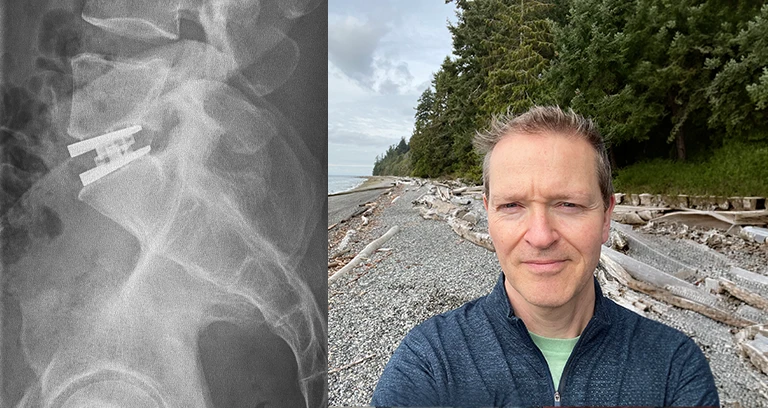
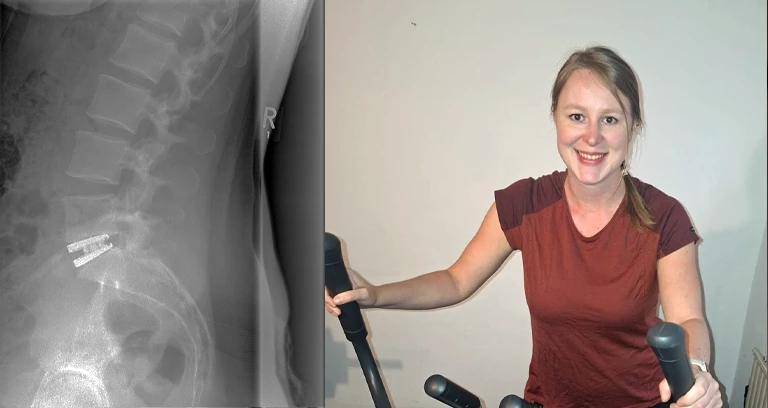
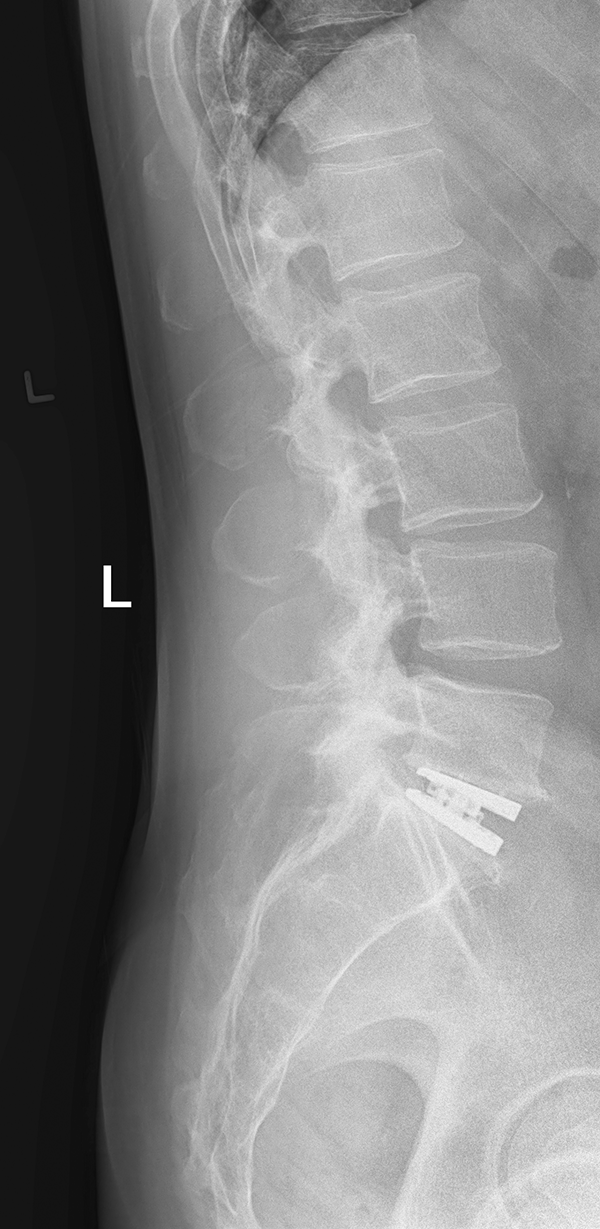
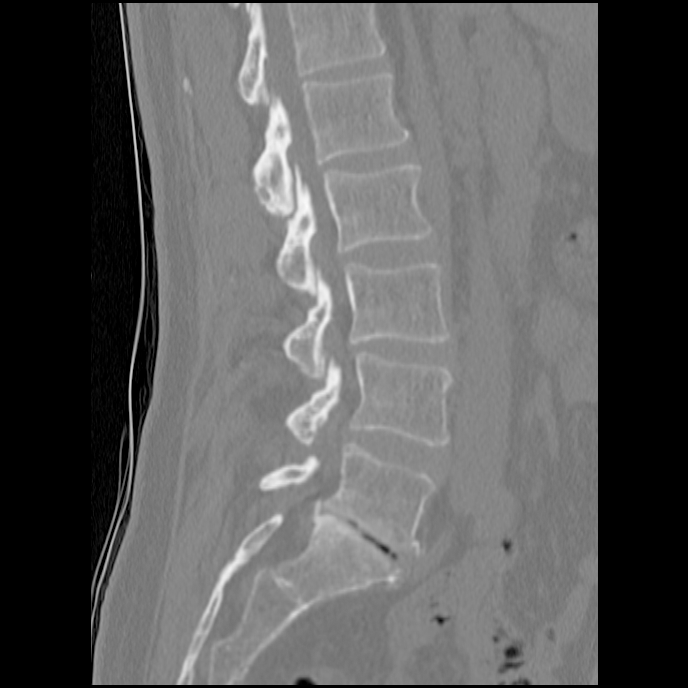
So I finally went for an MRI to get some answers. The results confirmed what I had probably known deep down for quite some time. I had severe degenerative disc disease at L5-S1.
As strange as it sounds, finally having an answer was actually reassuring. It validated what I had been experiencing for years and gave me a clear understanding of why my back had become so unpredictable. That’s when I knew I needed to stop simply managing the problem and start looking for a long-term solution.
I also knew one thing with absolute certainty. I did not want a fusion. Preserving motion was extremely important to me, and artificial disc replacement was the only surgery I was prepared to consider.
Like many of you reading this, I went down the rabbit hole. I spent countless hours researching surgeons around the world, comparing implants, reading forums, joining online groups, and speaking with people who had already undergone lumbar ADR. Eventually, I narrowed my search to Germany and consulted with several surgeons.
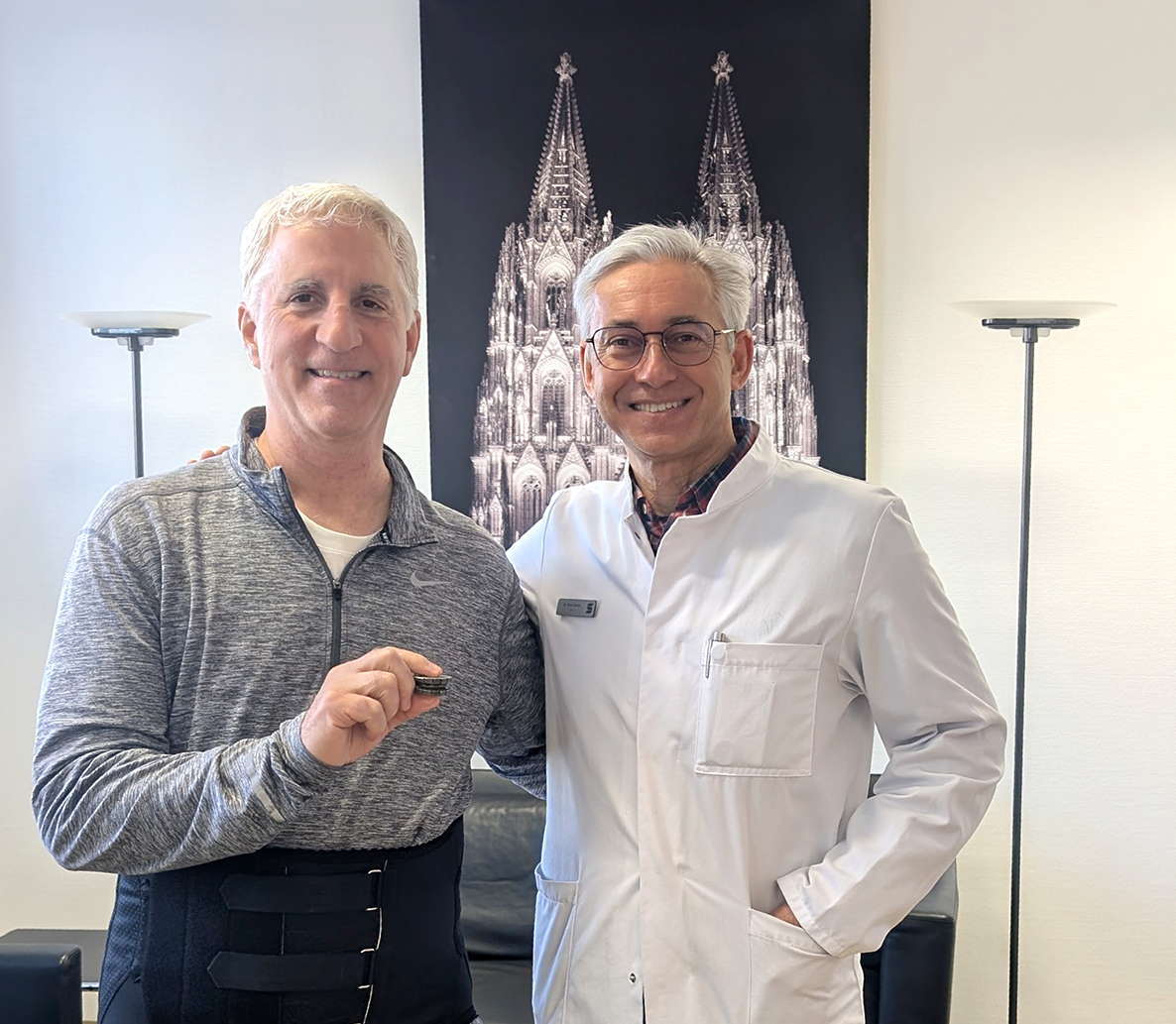
Then I spoke with Dr. Biren Desai, and honestly, by the time I got off the phone, my decision had been made.
There was something immediately reassuring about his approach. He was knowledgeable, straightforward, patient, and never made me feel rushed. He answered every question thoroughly and made sure I understood both the procedure and the recovery process. For the first time in a long time, I felt hopeful.
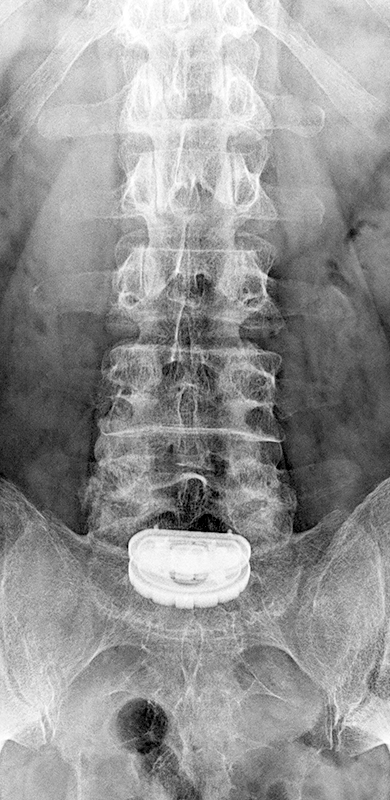
I had my L5-S1 artificial disc replacement on March 6, 2025.
From the moment I arrived at Sana Dreifaltigkeits-Krankenhaus, the entire experience exceeded my expectations. The hospital was excellent, and Dr. Desai and his team took exceptional care of me every step of the way.
I also want to be completely honest about recovery because I think people deserve realistic expectations. Recovery was not an overnight success, and it certainly wasn’t a perfectly straight line.
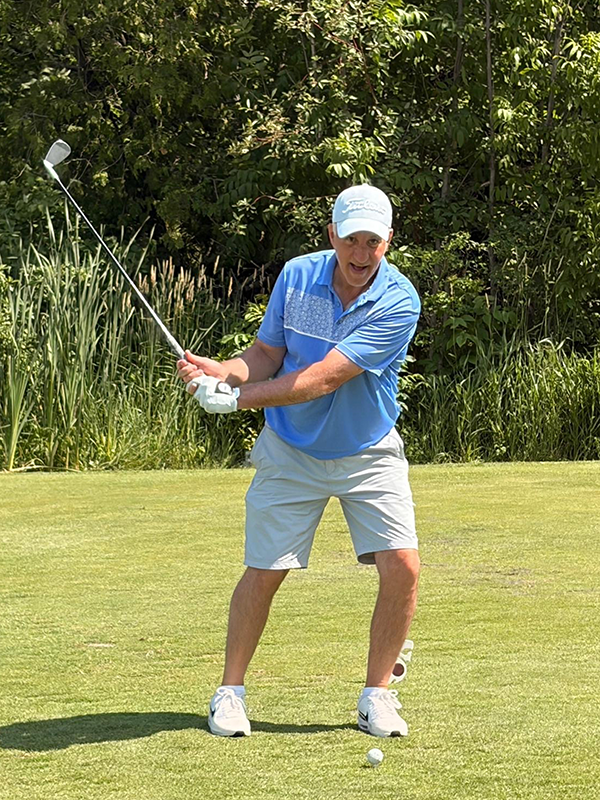
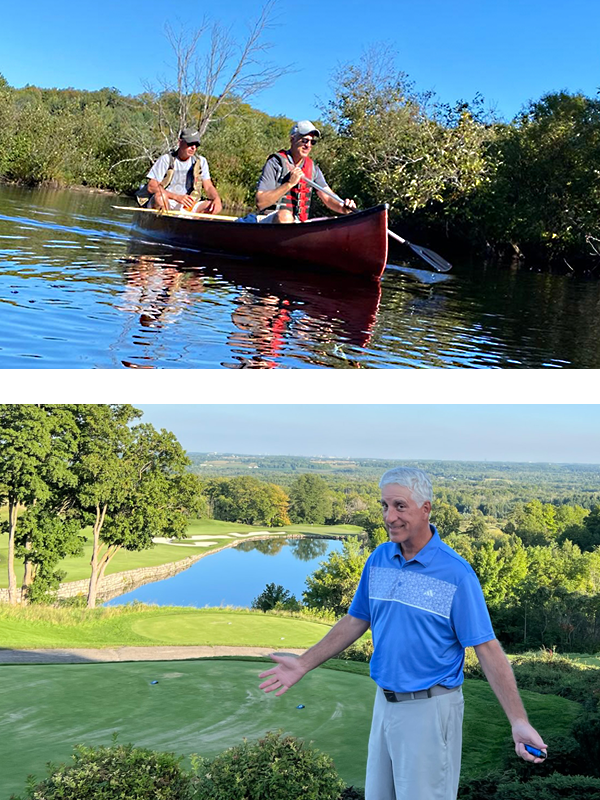
At around six months, I started feeling really good. Dr. Desai specifically told me to ease back into golf with only chipping and putting. I followed that advice for about a week. Then I went right back into playing full rounds.
That was a mistake.
I ended up throwing my back out and effectively lost the rest of my golf season. Looking back, I simply pushed too hard, too soon. One thing I’ve learned is that recovery is a partnership. The surgery gives you an opportunity, but you still have responsibilities afterward.
For me, that means walking every day, especially first thing in the morning to get my back moving. It means strengthening exercises three times per week, regular stretching, and paying close attention to how I move.
Because I’m a golfer, many of my exercises are geared toward returning to and staying in the game safely. I focus on back extension holds, controlled bending movements, and rotational exercises. One of the biggest lessons I’ve learned is the importance of hip hinging and avoiding rounding my back when bending. That simple change has made a tremendous difference.
I’ve also learned that you have to listen to your body. If it’s telling you that you’re pushing too hard, it’s usually best to dial it back because pushing through it rarely leads to anything good. I’m much smarter about that now. If my back is feeling sore or fatigued, I’ll take a few days off from golf so I can continue enjoying the entire season instead of risking another setback.
Today, more than a year later, I’m in a far better place than I was before surgery. Do I still have soreness sometimes? Absolutely. Am I 100 percent? No. Maybe I never will be.
I also have to be realistic. I’m approaching 63 years old, and my body is naturally aging. As much as I’d love to feel like I’m 25 again, that’s simply not reality.
What I can say is this. I no longer live with the constant fear that a simple movement might put me out of commission for weeks or months. That alone has been life-changing.
I’m back walking eighteen holes of golf. I’m active. I’m independent. And I’m enjoying life again without constantly worrying about when the next episode will happen.
I didn’t have surgery because I expected perfection. I had surgery because I wanted my life back and was no longer willing to live at the mercy of my next back episode.
Without hesitation, choosing Dr. Biren Desai and undergoing artificial disc replacement was one of the best decisions I’ve ever made.
DI aus Ontario, Canada
L5-S1 Artificial Disc Replacement
Surgery Date: March 6, 2025
Written approximately 18 months post-op
Die Abbildungen des Patienten wurden gemäß Datenschutz genehmigt.