⸺Herniated disk ⸺
Cervical spine, thoracic spine, and lumbar spine: symptoms, causes, and treatment
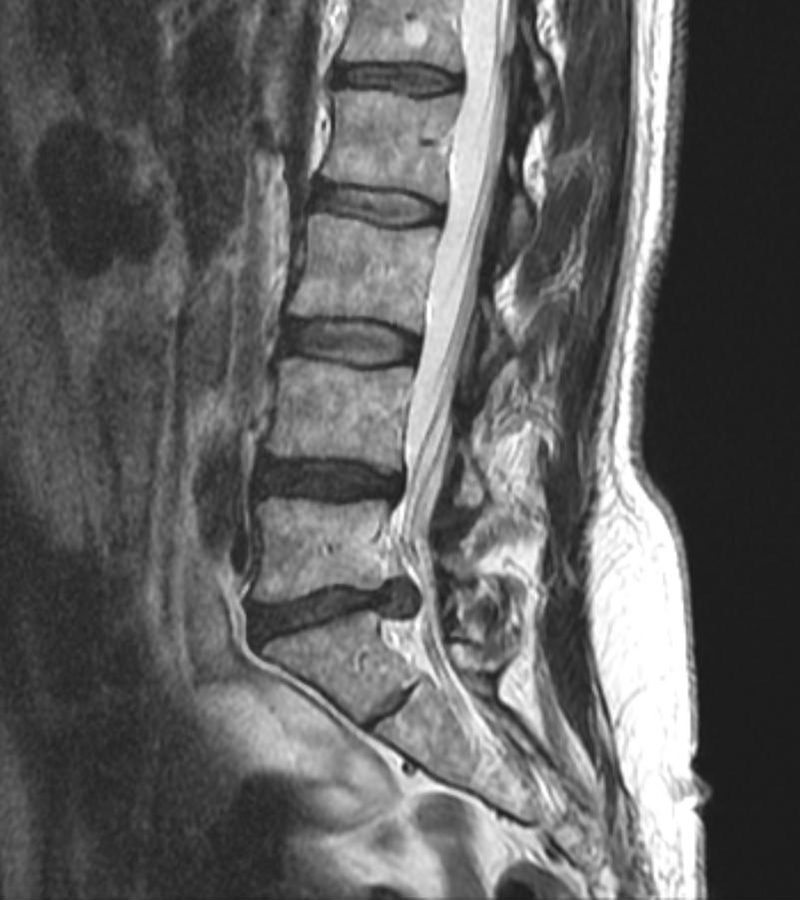
A herniated disk is one of the most common spinal conditions. The intervertebral disks are located between the vertebrae and consist of a flexible outer layer of tough connective tissue surrounding a gel-like core. A herniated disk occurs when tissue from one of the disks between the vertebrae pushes outward and can press on nearby nerves or the spinal cord. This can cause pain and impaired function.
⸻ Herniated disk
Symptoms of a herniated disks
A herniated disk can occur in the lumbar or cervical spine and, less commonly, in the thoracic spine. It is diagnosed using an MRI and/or CT scan. Disk herniation is most common between the ages of 30 and 50 and is twice as common in men as in women. Not every herniated disk causes long-term pain or functional limitations. MRI scans reveal that up to one-third of adults have a herniated disk without experiencing any symptoms. Research has identified several risk factors for disk herniation, including regularly lifting heavy loads, sports such as weightlifting and hammer throwing, and smoking.
When a disk herniation occurs in the lumbar spine, symptoms can range from deep lower back pain to pain in the legs and buttocks. A cervical herniated disk can cause pain in the neck, shoulder, or arm. Coughing, heavy lifting, and bending can make the pain worse, and the range of motion of the spine may be impaired.
Nonsurgical treatment
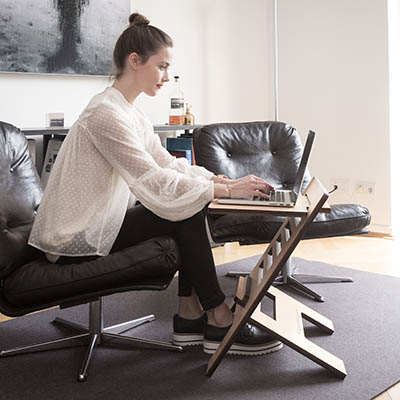
Long-term treatment focuses on addressing the underlying causes and other factors that may contribute to a herniated disk. Treatment includes muscle strengthening, weight management, and exercises to improve core and abdominal strength and muscle conditioning. Physical therapy can play an important role in this process. During an acute episode, pain medication can help, and a cervical brace may also be worn temporarily for a herniated disk in the neck.
Surgical treatment
For patients with severe pain, and particularly those with neurological problems, the only effective option is often surgery. Whenever possible, surgery is performed using minimally invasive techniques and with the aid of a surgical microscope. Several surgical techniques are available, generally involving small incisions and short operating times that help patients recover quickly. However, patients with multiple herniated disks or advanced degeneration may require more extensive surgery to relieve their symptoms.
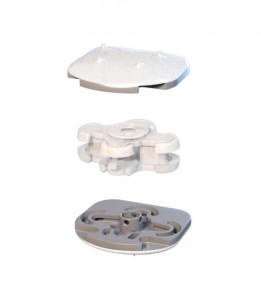
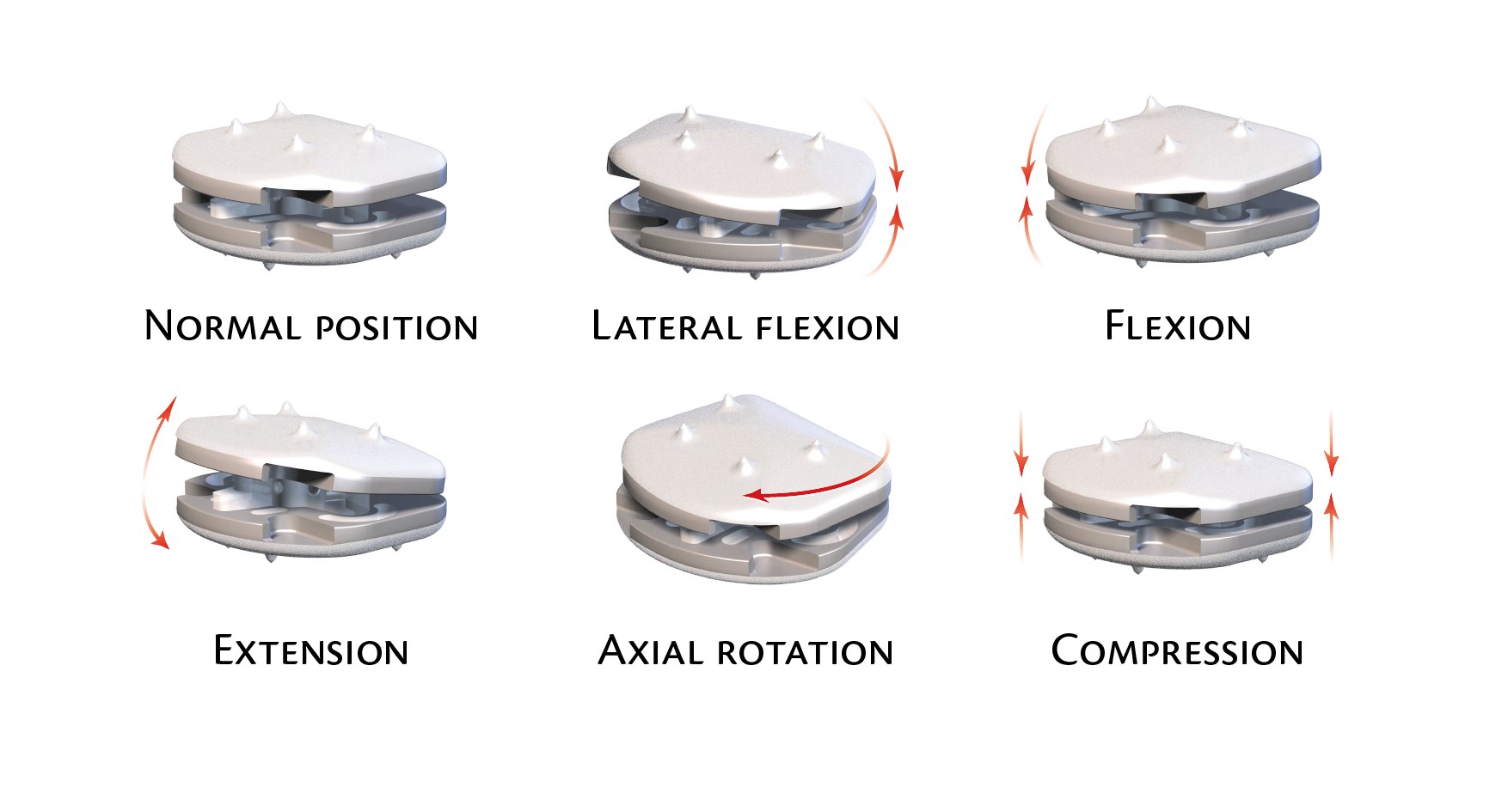
Illustration of the mobility of a disc prosthesis on the cervical spine:
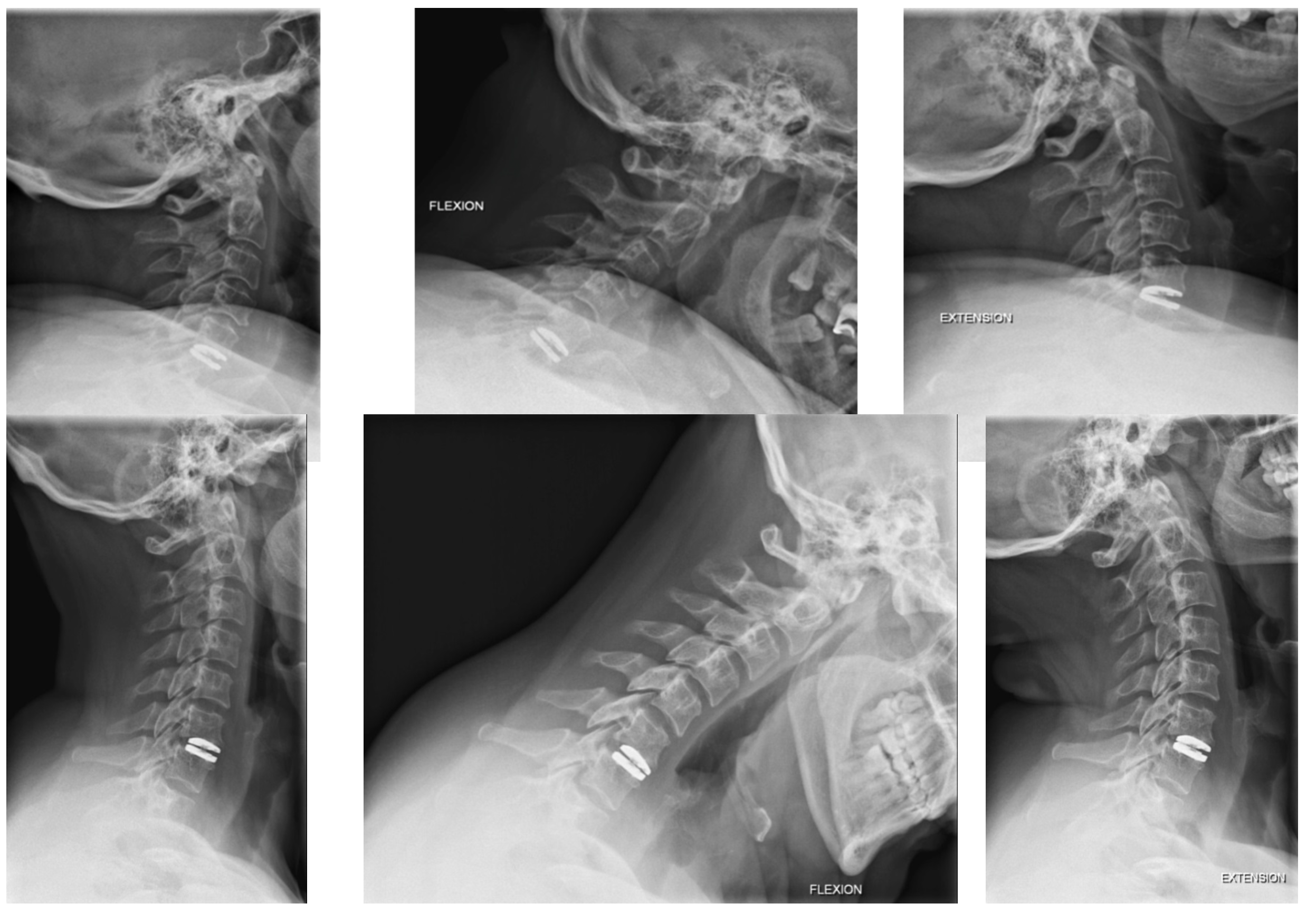
Surgery for an artificial spinal disc:
The directions of movement and biomechanical properties
of an intervertebral disc prosthesis (artificial disc):