
⸺Injuries and vertebral fractures⸺
Injuries and fractures of the cervical and thoracic spine and sacrum
The spine forms the bony central axis of the body. It maintains the body’s upright posture and connects the various parts of the skeleton. The spine is a highly stable supporting structure and, when healthy, can withstand enormous loads.
⸻ Injuries and fractures
Detailed diagnosis of spinal injuries
Spinal injuries can occur when the spine is subjected to more load than it can withstand, damaging bony structures such as the vertebrae and soft tissues including the intervertebral disks, ligaments, and muscles. The severity of a spinal injury depends on the extent of the bony damage, any other injuries, and any neurological problems. The patient’s age is another important consideration when assessing the injury.
Each year, around 10,000 to 12,000 people in Germany sustain a spinal injury. Men account for twice as many cases as women, and most patients are between 20 and 40 years old. Common causes include falls from height and traffic accidents. Around 20% of patients with a spinal fracture also have an injury to the nerves or spinal cord. Serious injuries, such as vertebral fractures, occur most commonly at the junction of the thoracic and lumbar spine, followed by the thoracic spine, the cervical spine, and, less often, the sacrum and coccyx. Injury to the nerves or spinal cord can cause partial or complete paralysis.
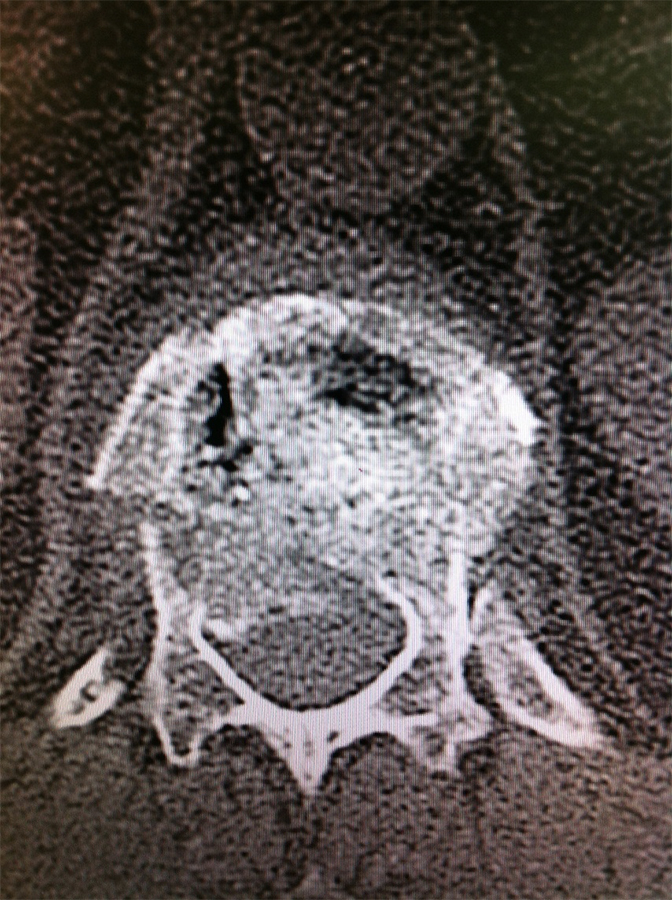
An acute spinal injury can cause sudden neck or back pain and may also be associated with visible deformity, visible signs of injury, or neurological problems. X-ray, CT, and MRI images allow the physician to assess the injury in detail and develop an individualized nonsurgical or surgical treatment plan.
Nonsurgical treatment
Patients with stable spinal injuries can be treated with pain medication and early mobilization in a brace under the guidance of a physical therapist. These measures can also help restore the alignment of fractured vertebrae. A slight deformity of a vertebra or minor misalignment of a spinal segment is usually not a problem for most patients and often does not require further treatment.
Surgical treatment
Patients with unstable spinal injuries or neurological problems are usually advised to undergo surgery. Today, established methods of fracture treatment are combined with modern surgical approaches and minimally invasive techniques. These advances have significantly improved the surgical treatment of even severe spinal injuries. Patients can often recover more quickly after surgery than with nonsurgical treatment.
