⸺Osteoporosis⸺
Bone fractures caused by osteoporosis
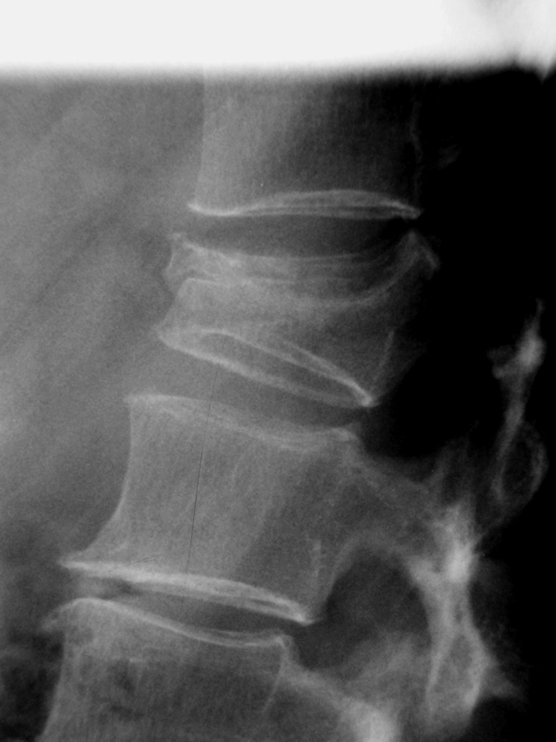
Osteoporosis is a metabolic bone disease that makes the bones porous and more likely to break. In patients with severe osteoporosis of the spine, even tripping or a minor fall onto the buttocks can cause a vertebral fracture.
⸻ Osteoporosis
Typical symptoms of osteoporosis of the spine
Osteoporosis can have many different causes. It is influenced by genetic, hormonal, and mechanical factors, as well as by body weight and diet. At least six million people in Germany live with osteoporosis. It mainly affects older adults. In Western countries, more than 80% of fractures in people over 50 are caused by osteoporosis. However, most patients who sustain vertebral fractures as a result of osteoporosis have not previously been diagnosed with the condition.
Osteoporosis often first becomes noticeable as back pain after an accident, a minor fall, or improper or heavy lifting. If a vertebra fractures and remains misaligned, the neighboring vertebrae have to bear more load. The misalignment often causes the upper body to lean forward and, in older people, can lead to a hunched back. The hunched posture, reduced spinal stability, and overall imbalance also make everyday activities more physically demanding, leading to quicker fatigue and reduced mobility in older people. A particularly noticeable sign is a rapid loss of height.
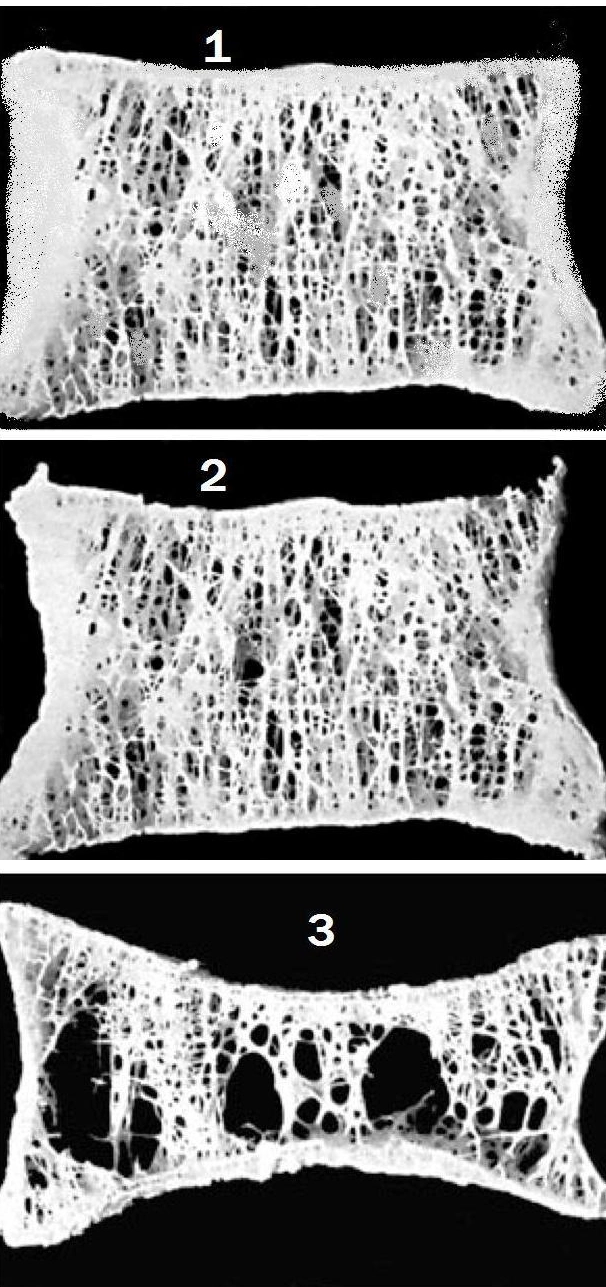
1. Healthy bone
2. Osteopenia
3. Osteoporosis
Prevention and nonsurgical treatment
Initially, osteoporosis and osteoporotic vertebral fractures are treated with medication, including specific osteoporosis medications and pain medication. Several effective medications can reduce the risk of further vertebral fractures by 30–70% when taken regularly. In addition, the following measures to prevent fractures are particularly important.
These include
-
-
A balanced diet (including dairy products and foods rich in calcium and vitamin D)
-
Adequate sleep
-
Regular physical activity and exposure to sunlight
-
Limiting coffee
-
Avoiding nicotine and alcohol
-
Older people who have sustained a vertebral fracture should begin moving again as soon as possible after an initial period of rest, with pain medication and physical therapy to support recovery.
Surgical treatment
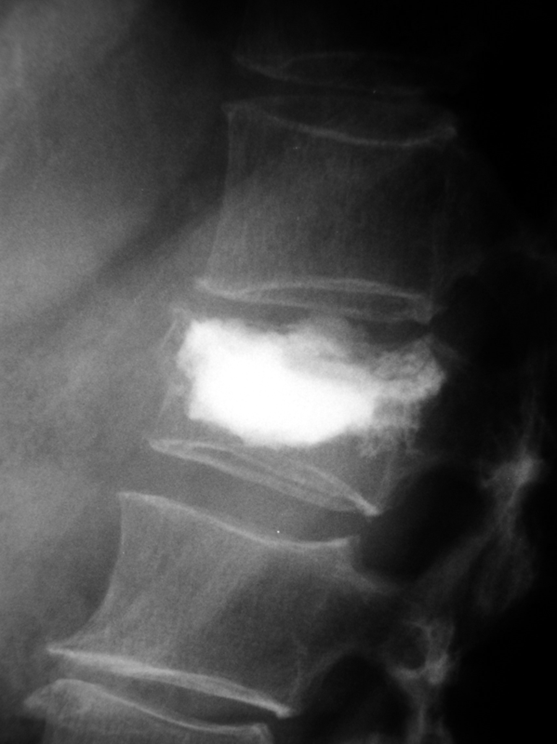
If severe pain does not improve with nonsurgical treatment, a minimally invasive procedure such as balloon kyphoplasty may be an option. This can help restore the height of a collapsed vertebra. If the spine is severely deformed or several sections are affected, it may need to be stabilized with screws and rods. Minimally invasive techniques can also be used for these procedures, making surgery possible even for patients of advanced age.
Balloon kyphoplasty: before and after treatment