⸺Lumbar spondylolysis and spondylolisthesis⸺
Lumbar
spondylolisthesis
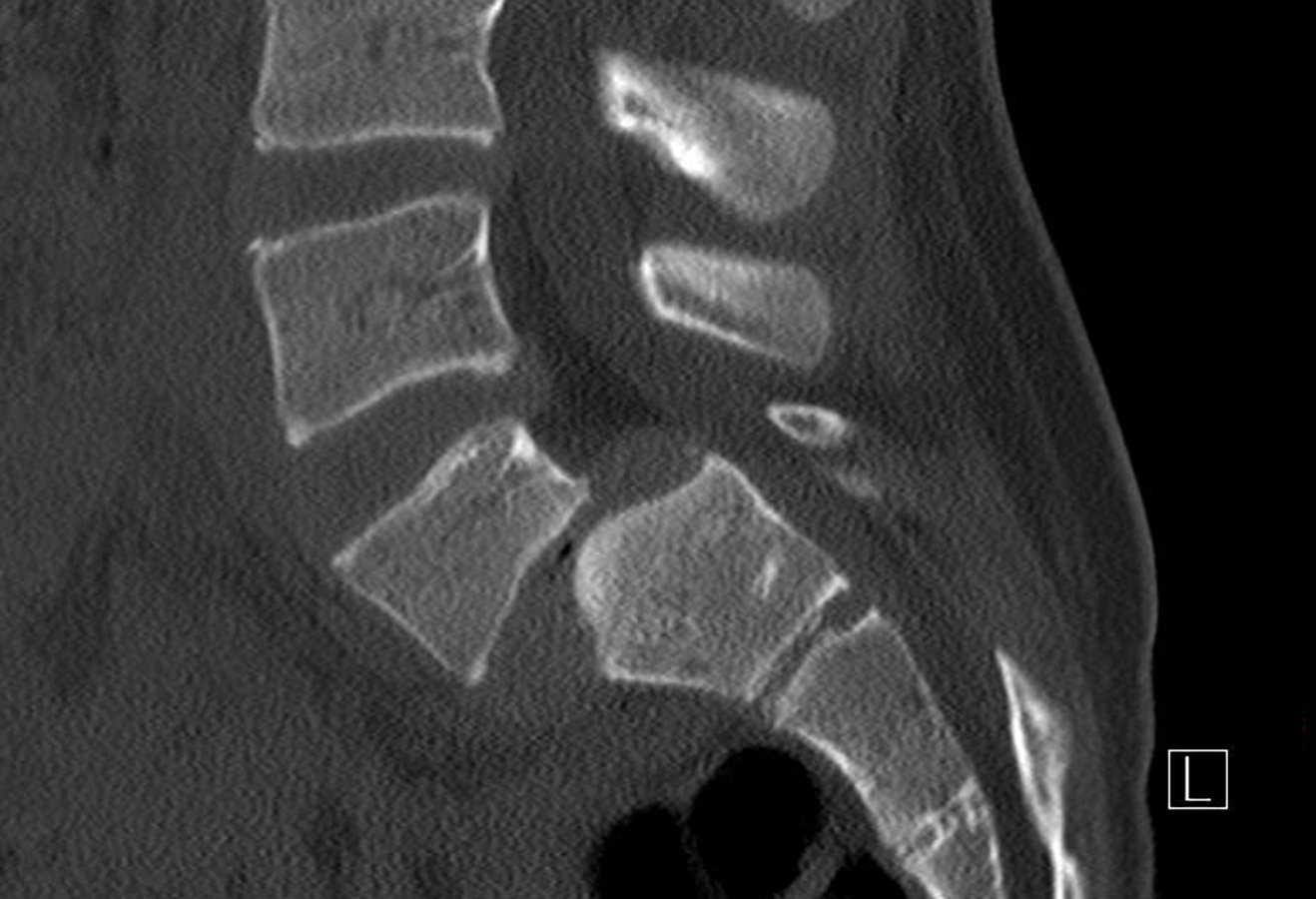
What is the difference between spondylolysis and spondylolisthesis?
The term spondylolysis refers to a crack or gap in the vertebral arch, while spondylolisthesis refers to one vertebra slipping forward relative to the vertebra below it. The exact cause of spondylolysis is unclear. The condition can cause deep lower back pain even in younger patients, and both mechanical and genetic factors are thought to play a role.
Nonsurgical treatment
Initially, treatment focuses on relieving symptoms through physical therapy and strengthening the muscles that stabilize the core. Both acute and persistent symptoms can be treated with pain medication. In some patients, targeted injections around irritated nerve roots or a lumbar brace to reduce the load on the lower back may also help relieve symptoms.
Surgical treatment of spondylolisthesis
Surgery is usually recommended if the vertebral slippage continues to progress, neurological problems develop, or severe symptoms persist. The surgeon will select the most appropriate technique based on the severity of the condition and the individual patient’s needs.
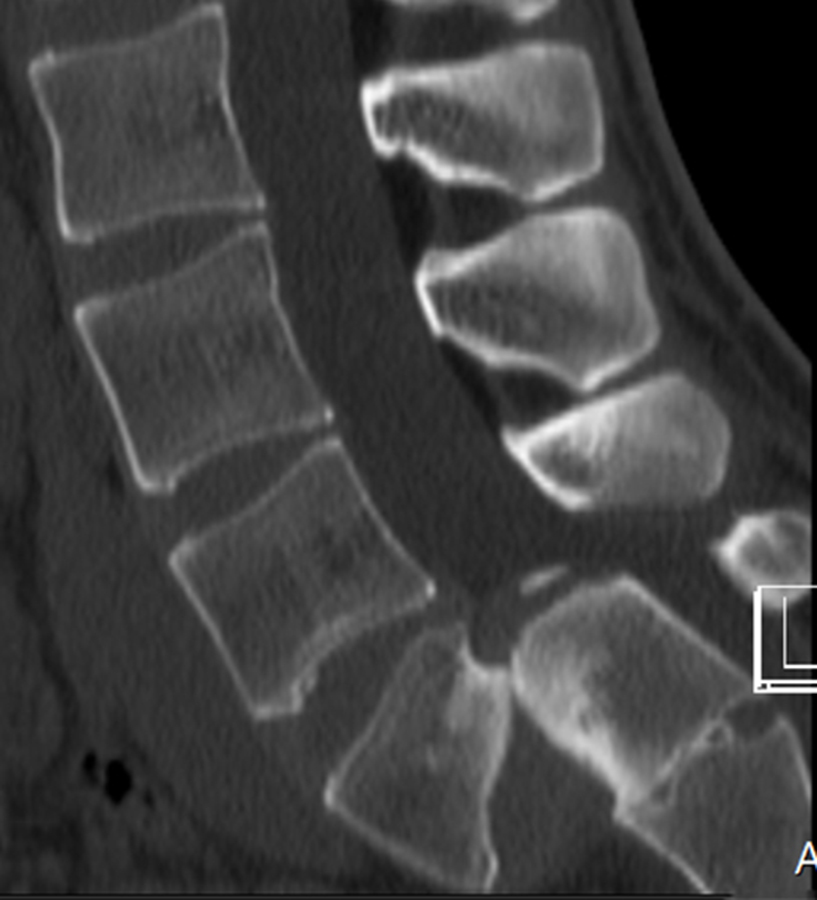
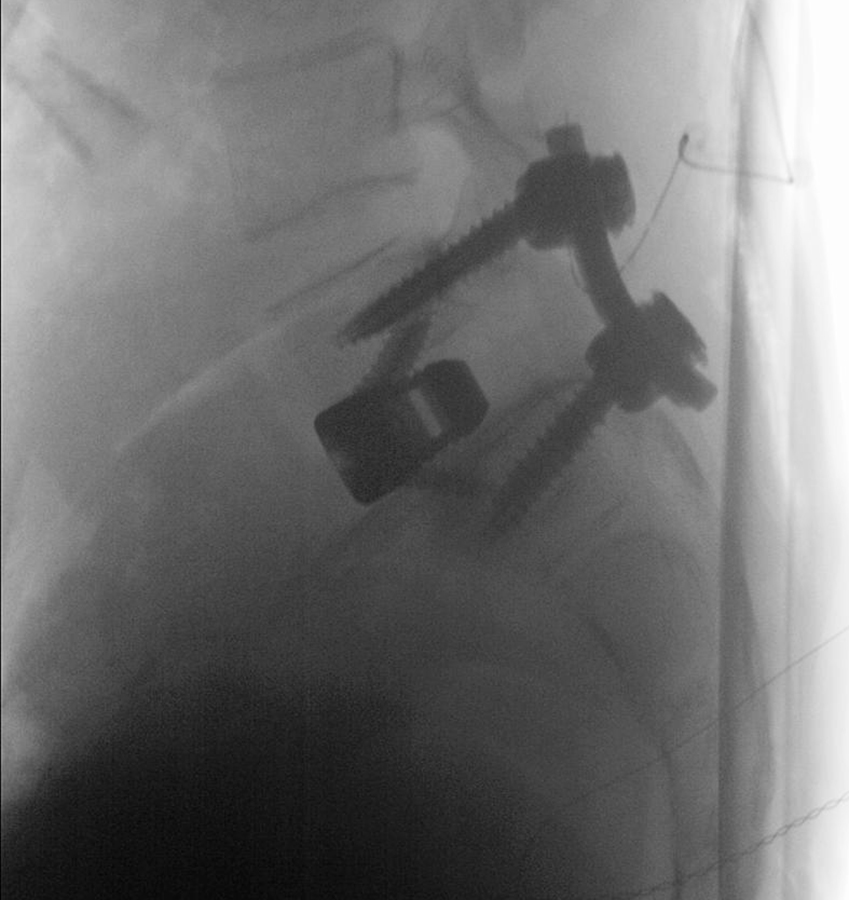
Grade-5 spondylolisthesis: before and after surgery